Home / About
TIG Weld Techs is a TIG welding and fabrication company working across Texas. Stainless, aluminum, pipe and tube, custom parts and repairs. Small work comes to the shop; plant and field work gets a rig on a truck.
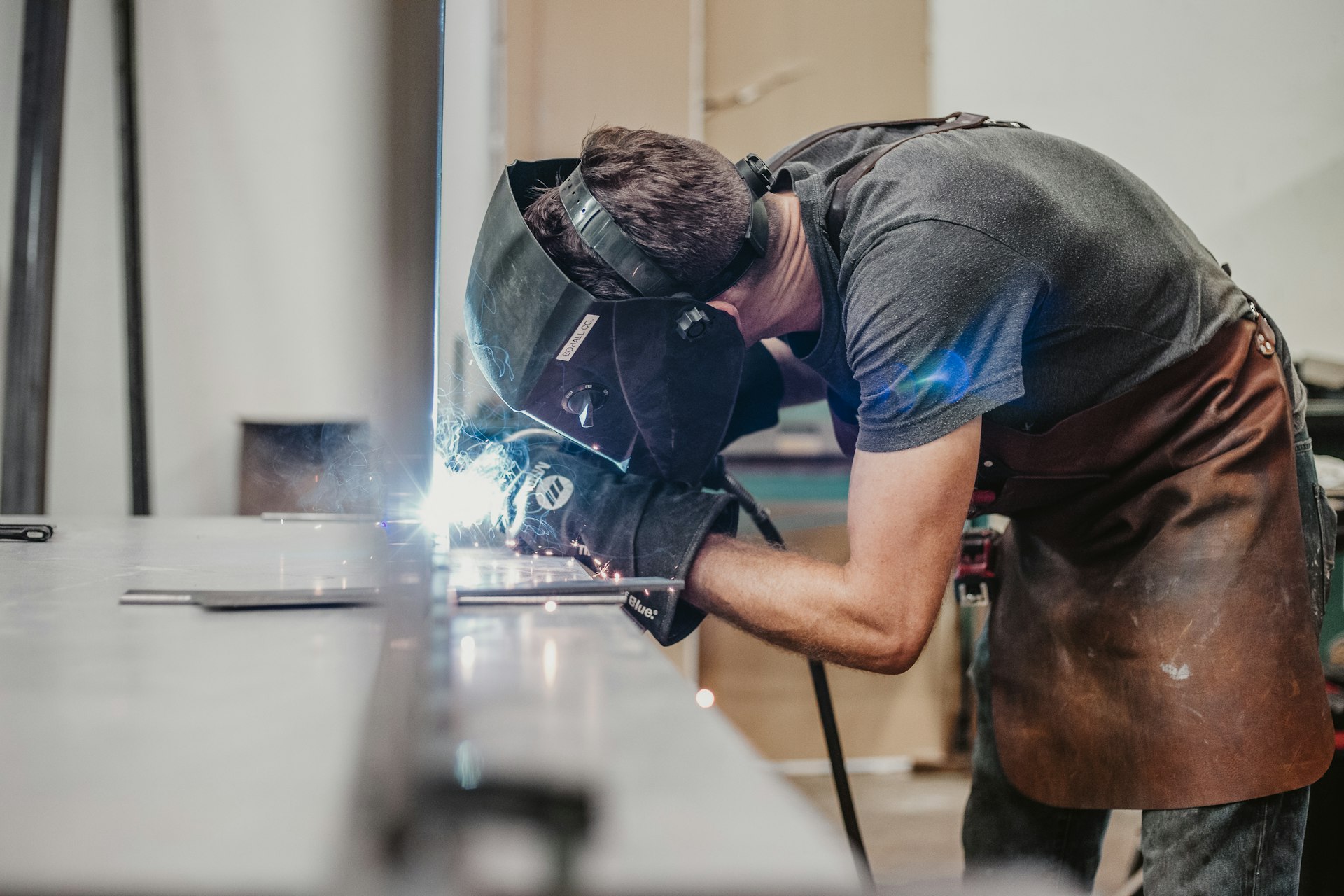
Fig. 1 Tungsten, argon, filler rod and a hand that doesn't rush.
How we think about a weld
01
A tight, even gap and clean edges do more for a TIG joint than any amount of skill with the torch. We spend the time there first.
02
If the back of a stainless root isn't purged, it sugars. On sanitary or corrosive service that isn't cosmetic, so the purge goes in before the arc does.
03
Straw to light gold on stainless is what we aim for. Blue and gray mean too much heat or too little gas, and we'd rather fix the setup than grind the evidence off.
04
Code, filler, finish, access, deadline. Most problems on a weld job start as a question nobody asked.
05
Scope, what's included and what isn't. You should know what you're paying for before we strike an arc.
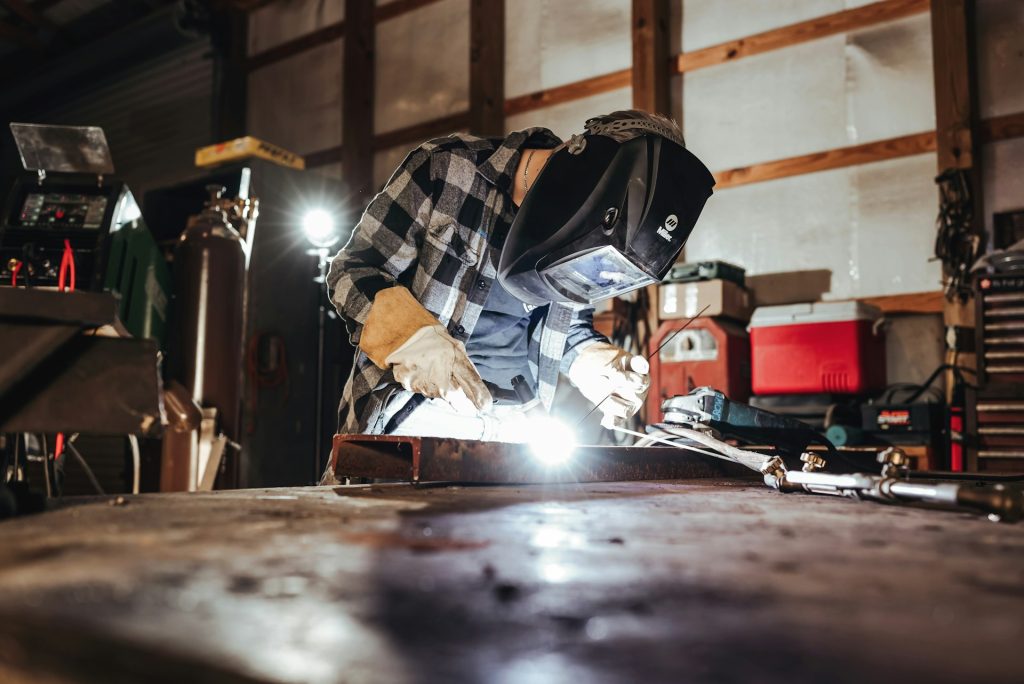
Shop and field
A typical job starts with a photo or a drawing. We ask what the part does, what it's made of, what code or spec it has to meet, and how it will be cleaned or inspected. That decides the filler, the purge, the joint prep and whether it should come to the shop or we should go to it.
In the shop, parts go on a bench at the right height with proper fixturing and a purge set up before anything is tacked. In the field, the same rules apply with more improvising: purge dams in a pipe run, a windbreak around the torch, and a hot-work permit before the first tack.
If a job is better done with MIG or stick, we'll say so. Our TIG vs MIG guide explains where each process makes sense.
Codes and specs
Tell us which standard applies and we plan the procedure, filler and inspection around it. If the job needs a qualified procedure or welder qualification records, say so at the quote stage so it's priced and scheduled in.
AWS D1.1
Structural steel
AWS D1.2
Structural aluminum
AWS D1.6
Structural stainless
AWS D17.1
Aerospace fusion welding
ASME Section IX
Procedure and welder qualification
ASME B31.3
Process piping
ASME B31.1
Power piping
3-A / ASME BPE
Sanitary and bioprocessing
TIG is slow. On thick mild steel, long structural runs or a thousand identical brackets, MIG or flux-core will usually be faster and cheaper, and the weld will be just as sound. We'd rather tell you that up front than sell you hours you don't need.
Where TIG earns its time: thin material, stainless and aluminum, sanitary and pressure work, root passes, and any weld people will look at.
